ASM Online Member Community

 View Only
  • 1.  Pearlite formation on Heat treated Part

    Posted 10-25-2023 10:57

    Our plant had a issue of surface anomaly as shown below.
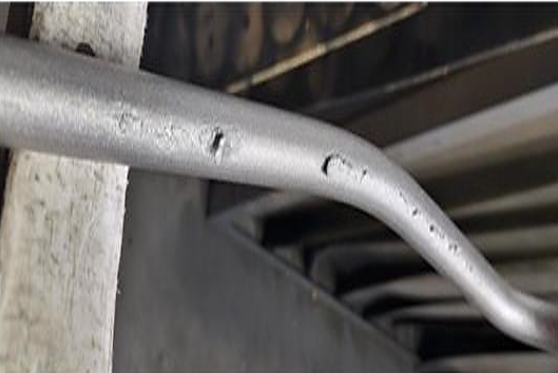
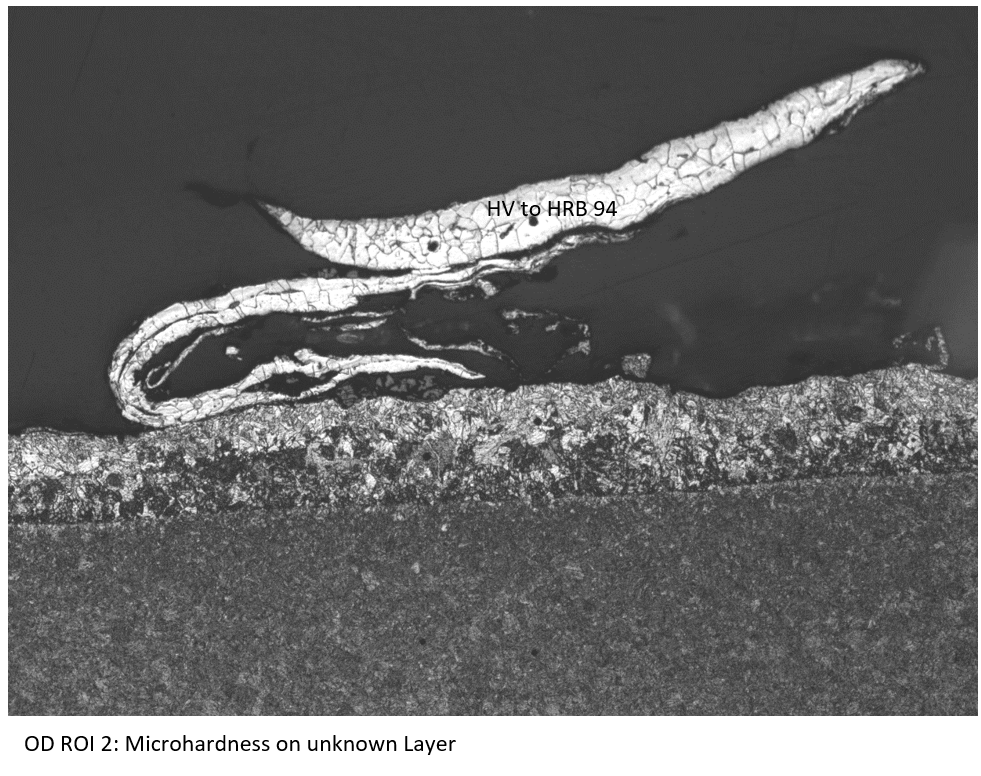
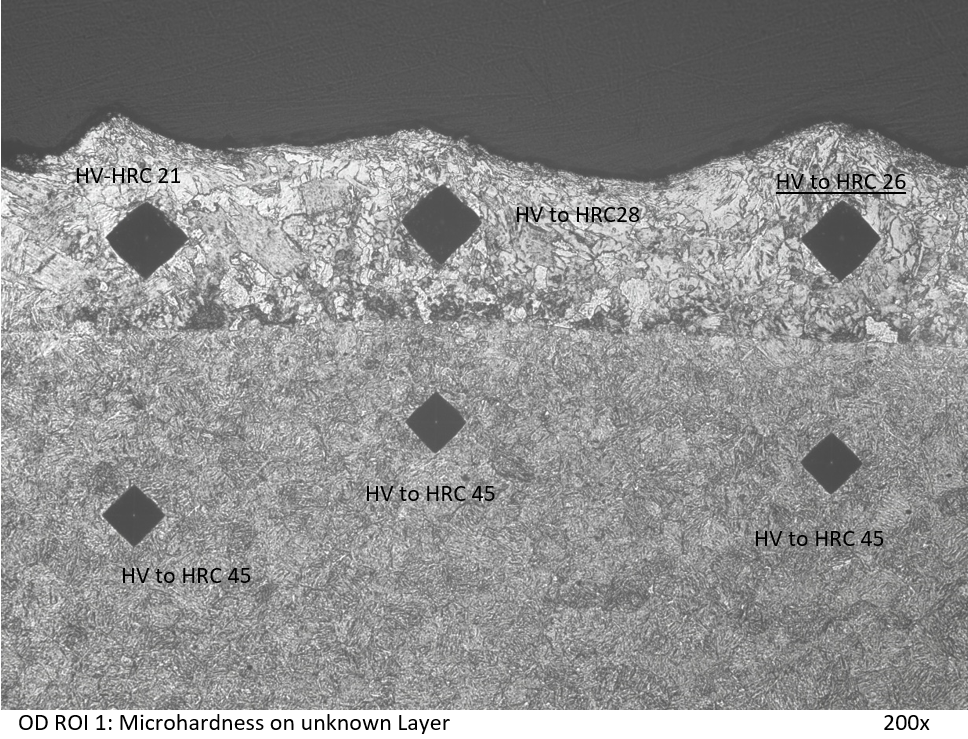
    I received the part for analysis. I cut the longitudinal sect of surface anomaly. and found the following phases. Although the root cause was the kerf process which was carried out in steel mill based on the lamination of soft layer (Ferrite) on base material (Fig.1).

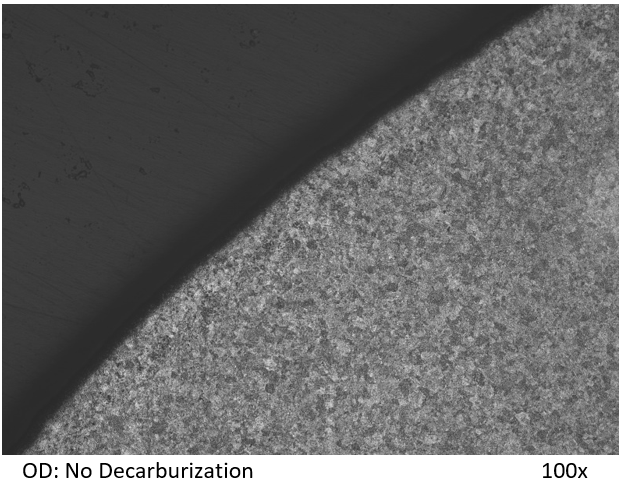
    My question to me is, if it was from steel mill then how come I see the pearlite formation on heat treated part? rest of the OD is free of decarburization (fig.2). Please explain.
    ------------------------------
    Sanjay Kulkarni
    Materials Engineer
    MSSC
    2040 Crooks RD, Suite A
    Troy, MI 48084
    sanjay.kulkarni@msscna.com
    Cell: 248-840-1056
    ------------------------------
    IMAT Conference & Expo


  • 2.  RE: Pearlite formation on Heat treated Part

    Posted 10-26-2023 10:28

    My guess would be that the soft material is either a foreign material (some other type of steel) or decarburized material that was deposited on the surface.


    ------------------------------
    Kenneth Kirby
    Senior Project Engineer
    Snap-on, Inc.
    Kenosha WI
    (262) 748-3836
    ------------------------------

    IMAT Conference & Expo


  • 3.  RE: Pearlite formation on Heat treated Part

    Posted 10-26-2023 11:33

    What is the base material?  What is the heat treatment?  Could be atmosphere in the furnace causing decarb on the surface, leading to a "slack quench" on the surface.  Please provide more details of the heat treat process.

    Thank you 


    ------------------------------
    Michael Zielinski
    Lehigh Univ
    Easton PA
    90846973332218
    ------------------------------

    IMAT Conference & Expo


  • 4.  RE: Pearlite formation on Heat treated Part

    Posted 10-26-2023 12:33

    It is 5160H solid bar heat treated in open atmosphere walking beam furnace just above the transformation temperature, the issue is only with one part. The higher mag micros are attached. It does not appear as a slack quench phenomenon, because it is very similar to as received micro. 


    ------------------------------
    Sanjay Kulkarni
    Materials Engineer
    MSSC
    2040 Crooks RD, Suite A
    Troy, MI 48084
    sanjay.kulkarni@msscna.com
    Cell: 248-840-1056
    ------------------------------

    IMAT Conference & Expo